

The Formula One season is still young, but after an entertaining Miami Grand Prix at Hard Rock Stadium, it’s becoming clear that the championship battle may not be a Mercedes walkover. The enforced early-season break gave way to a lively race weekend, and the results suggest that the story of 2026 could involve significant competition for the Silver Arrows.
Regulation changes dominated pre-race discussions—though mentioning “energy management” too early risks boring readers to tears—but the real story in Miami was how upgrades reshaped the competitive order.
Mercedes looked menacing with three straight victories before the five‑week hiatus caused by the cancellations of the Bahrain and Saudi Grands Prix. During that break, McLaren, Red Bull, and Ferrari all brought substantial updates to Miami, while Mercedes notably did not. The outcome proved that major gains are still possible under the new rules, and the season will be defined by an intense development war.
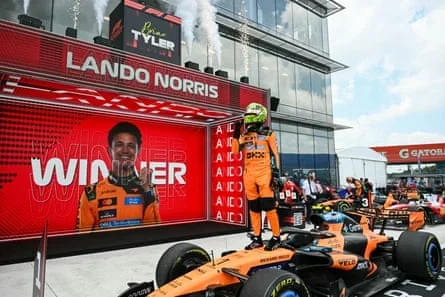
McLaren and Red Bull made huge leaps forward. Lando Norris and Oscar Piastri locked out the front row in the sprint, and Norris could have beaten race winner Kimi Antonelli but for a pit‑stop decision and its execution. McLaren surged back to the front in a track that has historically suited them. Team principal Andrea Stella estimated Mercedes still held a tenth or two in pace, but on track Norris never looked far off.
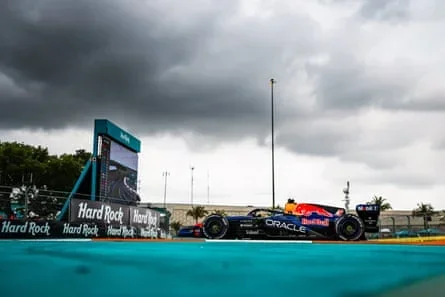
Red Bull also found new life after three uncompetitive races. With aero upgrades and steering adjustments, Max Verstappen suddenly had the car he had been searching for, driving with his trademark verve. He qualified second and would likely have challenged for the win had he not spun on the opening lap.
Ferrari, by contrast, left Miami disappointed. Charles Leclerc appeared to be a genuine contender early on, but his pace faded—a familiar pattern this season—highlighting race‑pace deficits and severe tyre degradation. The car has potential, but Ferrari have not matched the strides made by McLaren or Red Bull.
McLaren have even more in the pipeline, with another batch of developments slated for the next round in Canada, including a new front wing. Mercedes will also deliver their first major upgrade to the W17 in Montreal. The fight is expected to be long and fierce, especially since any development now can also inform next year’s car. This has become an engineering battle burning white‑hot.
Somewhat cooler was the reception to the regulation tweaks designed to address driver dissatisfaction with the energy‑management parameters. The adjustments—effectively changes to how electrical energy is recovered and deployed—were welcomed but clearly not enough to silence the drivers’ vocal unhappiness with the new formula.
